

What To Know About Waimea Canyon
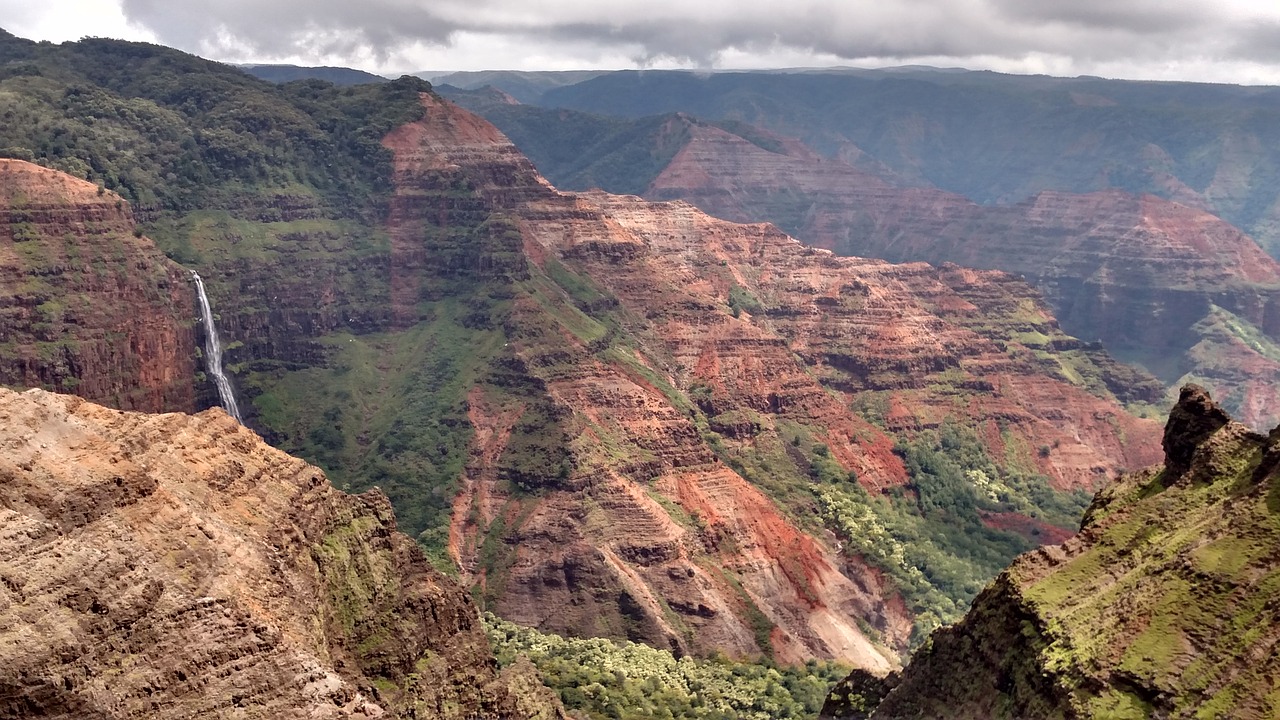
Waimea Canyon is often called the “Grand Canyon of the Pacific,” and it’s one of Kauaʻi’s most dramatic inland sights. Most people talk a lot about the island’s coastline, and for good reason. Out on the water, we spend our days looking up at some of the tallest sea cliffs in the world. But if you want to understand the island more fully, you need to spend time inland too. Waimea Canyon shows you a different side of Kauaʻi: dry, rugged, layered, and dramatic in a way that surprises people who expect the island to be only green beaches and waterfalls.
Waimea Canyon is not just a quick roadside stop. It is one of those places where the weather, elevation, time of day, and your pace all matter. Done right, it can be one of the most memorable land-based experiences on the island.
Why Waimea Canyon Is One of Kauaʻi’s Most Important Sights
Waimea Canyon is often called the “Grand Canyon of the Pacific,” and while that comparison is overused, it helps first-time visitors grasp its scale. The canyon stretches roughly 14 miles long, about a mile wide, and more than 3,600 feet deep, with red and green walls cut by erosion and water over time. It sits on Kauaʻi’s West Side and is reached by Waimea Canyon Drive, which continues uphill toward Kōkeʻe State Park.
What makes it stand out is the contrast. The island’s North Shore and Nā Pali Coast are lush and steep. Waimea Canyon feels older, drier, and more exposed.
What the Drive Is Actually Like
Many visitors underestimate the drive. Waimea Canyon is not something you casually squeeze in between breakfast and the beach unless you truly only want a quick overlook. The road climbs from the town of Waimea up through changing elevations and conditions. As you go higher, the air cools off, visibility can shift fast, and the viewpoints start opening up in stages.
The official state and tourism information also makes it clear that Waimea Canyon Drive is the main access road and continues into the mountains toward Kōkeʻe State Park, where additional trails and overlooks begin.
Best Things To See at Waimea Canyon
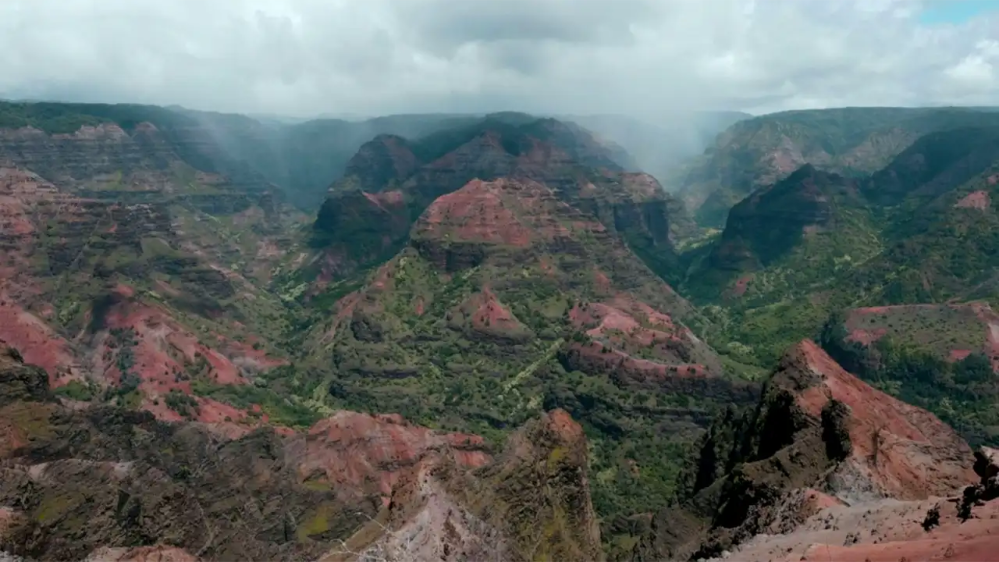
Scenic Lookouts
The simplest way to experience Waimea Canyon is by using the overlooks. That works well for families, older travelers, or anyone who wants the view without a long hike. The classic canyon panorama is what most people come for: layered ridges, red dirt, green vegetation, and deep-cut valleys.
At the moment, one major detail matters: the Hawaii Division of State Parks has posted notices about construction, delays, and restricted parking in the Waimea Canyon and Kōkeʻe area, and the Waimea Canyon Lookout has been closed for safety improvements, with overlapping roadwork affecting traffic patterns. Before heading up, check current park updates rather than assuming everything is fully open.
Kōkeʻe as Part of the Same Day
Many visitors treat Waimea Canyon and Kōkeʻe as separate experiences, but they usually make for one mountain day. Once you pass the canyon area, Kōkeʻe offers forest, cooler temperatures, more trails, and access to additional lookouts. Kōkeʻe State Park spans thousands of acres at roughly 3,200 to 4,200 feet in elevation and includes about 45 miles of hiking trails.
If you only do the first lookout and turn around, you are seeing one piece of the West Side, not the whole picture.
Hiking at Waimea Canyon
Shorter Options
Not everyone needs a long trail to enjoy the canyon. There are shorter nature and viewpoint walks that let you stretch your legs without turning the day into a serious backcountry outing. This is often the right move if you are traveling with kids, older relatives, or anyone not prepared for mud, heat, or exposure.
The Iliau Nature Loop is a short, easy 0.3-mile trail that winds through dry shrubland and native plants, including the iliau plant for which it’s named. Along the way, visitors see sweeping views of both Waimea and Waiʻalea Canyons, making it a quick but rewarding stop.
Longer and More Demanding Trails
For people who want more than a windshield view, the trail system gets much better. The state’s Kōkeʻe trail map lists the Canyon Trail as a moderate 1.8-mile route that follows the rim and ends at Waipoʻo Falls, which is one of the more worthwhile hikes for visitors who want canyon scenery without committing to an all-day trek.
Beyond that, trails in the area get more demanding fast. The Nuʻalolo Trail is listed as difficult, with a steep 1,400-foot drop in the first mile, and the Awaʻawapuhi Trail is also marked as difficult with a 1,300-foot descent. The Pihea Trail is noted as slippery, muddy, and potentially dangerous, especially in poor conditions.
That matters because visitors sometimes assume a Hawaiʻi hike is casual by default. It is not. On Kauaʻi, mud, drop-offs, heat, and sudden weather changes can turn a hike serious in a hurry.
Hiking Safety Tips
While Waimea Canyon offers unforgettable trails, it also demands preparation and awareness. Before heading out, keep these safety tips in mind:
- Always bring plenty of water, even for short hikes.
- Wear sturdy shoes as trails can be rocky, slippery, and muddy.
- Stay on marked paths and board walks
- Check trail conditions and weather before heading out
Weather and Timing Matter More Than People Think
This is one of the biggest local tips. Waimea Canyon can be bright and clear in one hour, then covered in cloud and mist the next. Morning often gives you your best chance at clearer visibility, especially before clouds build later in the day. Conditions also vary by elevation, so the weather in Poʻipū or Līhuʻe tells you very little about what you will get higher up.
It is smart to bring layers, water, and decent footwear even if you are mostly driving. The state trail guidance specifically warns that some routes can be hot and exposed, while others are wet, muddy, and slick.
Fees, Access, and Current Visitor Basics
Waimea Canyon State Park and Kōkeʻe State Park are open during daylight hours. For non-residents, current posted fees are $5 per person and $10 per non-commercial vehicle, while Hawaiʻi residents with a valid state ID or driver’s license enter and park free. The state also notes that parking tickets or vouchers are valid in the parking lots of Waimea Canyon State Park and Kōkeʻe State Park.
Those details matter because people often assume they are just driving a public mountain road with no managed access points. In reality, this is a state park experience, and it is best to plan for fees, limited parking, and possible construction impacts.
What People Commonly Get Wrong About Visiting Waimea Canyon
One common mistake is underestimating how much time the area deserves. Another is dressing for the beach and not for elevation. A third is thinking the view will be identical from every stop. It will not. Different lookouts and trails reveal different angles, depth, and texture.
The other mistake is seeing Waimea Canyon in isolation from the rest of the West Side. From our perspective on the water, the island makes more sense when you experience both the interior and the coast. The canyon helps you understand Kauaʻi’s geology from above.
A Nā Pali Coast boat tour shows you the outer edge of that same island from sea level, with cliffs, valleys, sea caves, and remote shoreline, which you cannot appreciate the same way from land. Kauai Sea Tours has built its reputation around sharing that coastline with guests through locally guided Nā Pali Coast adventures rooted in safety, history, and respect for the island.
Why Waimea Canyon Pairs So Well With a Nā Pali Coast Experience
This is where a local itinerary starts to come together. Waimea Canyon gives you a sense of scale from above. The Nā Pali Coast gives you a sense of scale from below. Up in the canyon, you are looking across a distance. On the water, you are looking up into it.
That contrast is what stays with people. Inland, you see the bones of Kauaʻi. Offshore, you see the living edge of it. If you are trying to understand why this island feels so different from others in Hawaiʻi, doing both gives you the answer better than either one alone.
FAQs About Waimea Canyon
Is Waimea Canyon worth visiting if I am not a hiker?
Yes. Plenty of visitors enjoy Waimea Canyon mainly through scenic overlooks and a few short walks. Hiking adds depth, but it is not required to have a great visit.
How long should I spend at Waimea Canyon?
A quick lookout stop can be short, but most visitors are better off giving it at least a half day if they want time for multiple viewpoints, a relaxed drive, and possibly a short hike.
Is Waimea Canyon better in the morning or the afternoon?
Morning is often better for visibility before clouds build, though conditions can change at any time. Earlier starts usually give you the best odds.
Do I need to pay to visit Waimea Canyon?
Yes, non-residents currently pay an entrance fee and parking fee at Waimea Canyon and Kōkeʻe State Parks, while Hawaiʻi residents with a valid ID enter free.
Can I visit Waimea Canyon and Kōkeʻe on the same day?
Yes, and most people should. The road naturally connects the two, and experiencing both gives you a fuller day in Kauaʻi’s upland interior.
Visit Waimea Canyon!
Waimea Canyon is one of those places that rewards good timing, realistic expectations, and a little patience. It is not just a scenic stop. It is one of the clearest windows into Kauaʻi’s shape, scale, and raw interior beauty.
If you want to experience the island more completely, I would not stop with the canyon.
See the West Side from above, then join us on the water and see the coastline from where Kauaʻi has always revealed itself best. A boat tour and a canyon day together give you the kind of island perspective most visitors never quite get on a single vacation. Book your Na Pali Coast boat tour today!

Darren Paskal – General Manager
A dedicated steward of Kauai Sea Tours and a member of the founding family, Darren Paskal has led the company with passion and innovation for nearly a decade. With a sharp focus on customer experience, he’s been instrumental in expanding the Kauai Sea Tours fleet by introducing the first express tour of the Nā Pali Coast, and designing the region’s first luxury tour boat. Darren blends engineering expertise with a deep love for Kauai’s coastline, continually shaping unforgettable ocean adventures for guests from around the world.