

The History Of Mount Wai’ale’ale: A Full Guide
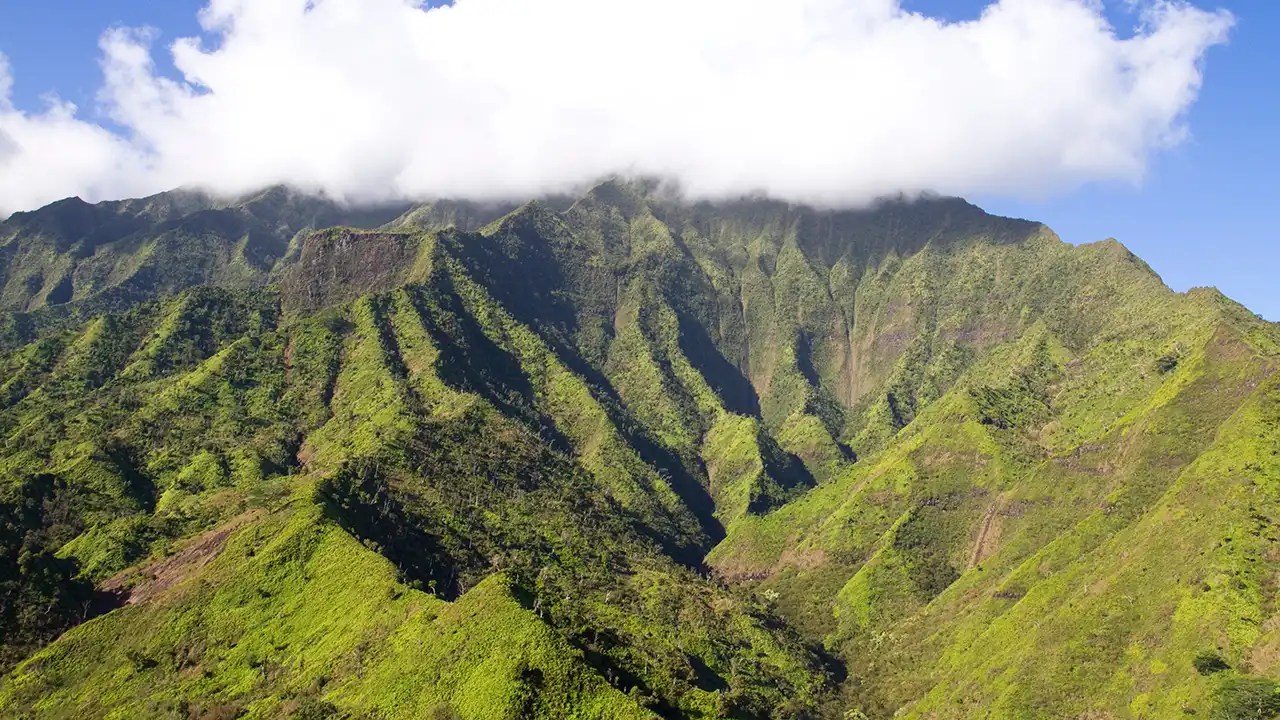
I have spent most of my life on Kauai’s coastline, running boats, guiding guests, and watching the weather drift over the mountain we all know by heart. Mount Waiʻaleʻale sits at the center of the island like an anchor.
Its history goes far beyond its title as one of the wettest places on Earth. This peak has influenced Hawaiian culture, geology, navigation, and local life for centuries.
This complete guide breaks down its formation, cultural significance, climate, and the role it continues to play in shaping Kauai.
What Makes Mount Waiʻaleʻale Special
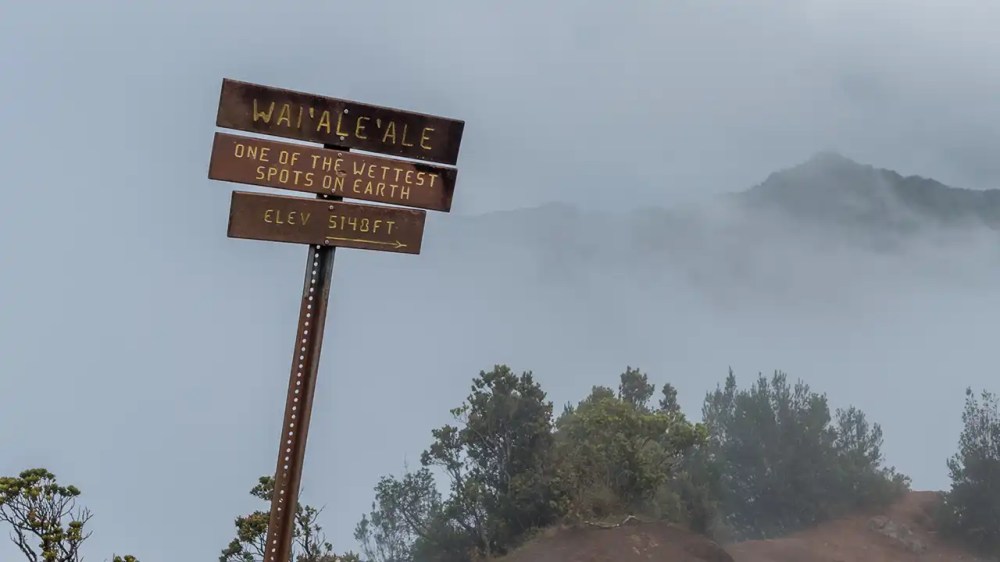
Mount Waiʻaleʻale rises roughly 5,148 feet above sea level and sits close to the center of Kauai. The name means “rippling or overflowing water,” which fits the mountain perfectly.
On average, the summit receives about 400 to 500 inches of rain each year, with some years reaching even higher totals. That consistent rainfall feeds Kauai’s rivers, carves its canyons, and fuels the lush greenery that gives the island its reputation as the Garden Isle.
Most visitors recognize the mountain from driving around Kauai or from the view above Wailua State Park, where a deep, sheer-sided basin known as the Waiʻaleʻale Crater stretches toward the clouds. This crater is famous for its constant waterfalls. When conditions are just right, you can see dozens of them flowing down its walls like long silver threads.
But the mountain’s impact goes far beyond scenery. Waiʻaleʻale has shaped the island’s past and continues to influence daily life.
The Ancient Origins of Mount Waiʻaleʻale
Kauai is the oldest of the central Hawaiian Islands, and that age is written into the land. Waiʻaleʻale formed millions of years ago during the volcanic activity that built the Hawaiian chain. While the volcano itself has long been dormant, its remaining massif still defines Kauai’s landscape.
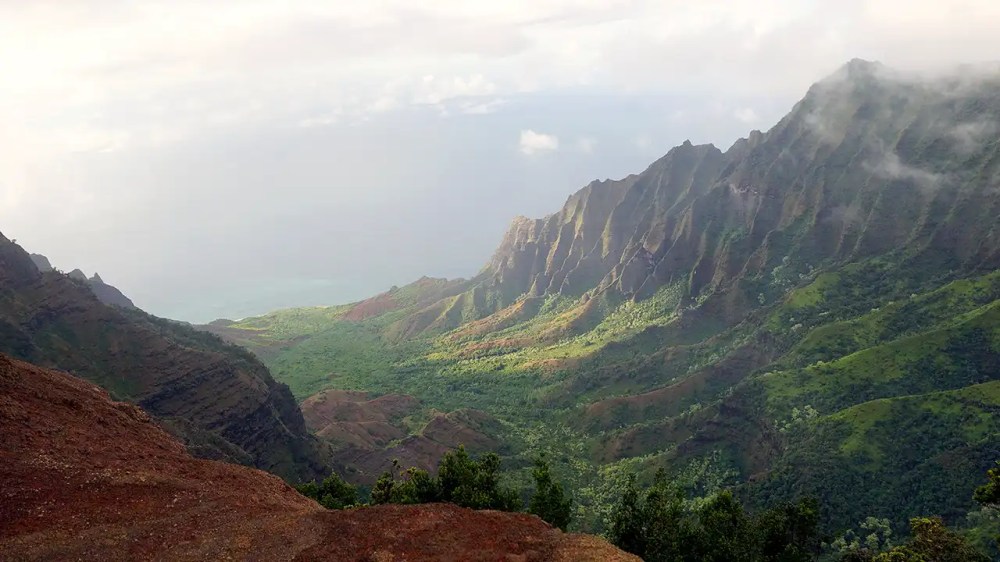
As the island eroded over time, heavy rainfall carved deep valleys, including Wailua and Waimea, which hikers visit today for their dramatic views. The summit’s near-constant moisture also shaped Alakaʻi Swamp, one of the highest and wettest swamps in the world. These formations are all tied to the volcano’s ancient footprint.
The Cultural Significance of Waiʻaleʻale
In Hawaiian culture, mountains are more than landmarks. They are guardians and sources of life. Waiʻaleʻale has always held a sacred place in that tradition.
Wahi pana, a legendary place
Mount Waiʻaleʻale is part of many moʻolelo, the oral histories of Hawaii. Stories tie the mountain to deities, weather patterns, and even early migration routes. Some accounts describe the summit as a site of ceremony for ancient Hawaiians. Others tell of the surrounding Wailua region as a birthplace for chiefs.
For Native Hawaiians, the mountain is connected to one of the major Hawaiian gods, Kāne, who is associated with the creation of life and is symbolized by the abundant rainfall of Waiʻaleʻale. Its streams once sustained kalo (taro) field to nearby communities, and the constant flow of water was seen as a divine gift from Kāne.
Even now, the area holds a sense of quiet reverence. Very few people attempt to hike to the summit because of its challenging conditions and cultural importance. Most simply admire the mountain from a respectful distance, which is the right way to do it.
Why Waiʻaleʻale Is One of the Wettest Places on Earth
Visitors hear the statistic, but many do not understand why the mountain gets so much rain. After decades on the water, constantly checking weather patterns for our tours, I can tell you exactly how it works.
Trade winds and moisture
Kauai sits in the path of steady northeast trade winds. These winds push moisture inland, where it rises against the cliffs of Waiʻaleʻale.
When the moist air is forced upward, it cools and condenses. The result is year-round rain, especially along the mountain’s eastern and northern slopes.
The round shape of the mountain
Waiʻaleʻale acts like a natural moisture trap. Its rounded summit and surrounding cliffs collect clouds the way a bowl gathers water. Those clouds get stuck in place, continually wringing themselves out.
The impact on the island
All that rainfall feeds Kauai’s freshwater resources, including:
- Wailua River
- Hanalei River
- Waimea Canyon streams
- Countless hidden waterfalls
Without this rainfall, Kauai’s landscapes would be very different. The reason we can take guests to see such stunning waterfalls during boat or helicopter adventures is tied directly to Waiʻaleʻale’s climate.
How Waiʻaleʻale Shapes Kauai’s Weather
When you operate boats daily, you pay close attention to how Kauai’s weather shifts. Waiʻaleʻale plays a significant role in that.
Rainfall and runoff
Heavy rainfall from the summit flows toward every side of the island. After significant storms, the ocean near river outlets can turn murkier.It is all part of reading the island and respecting how the mountain behaves.
Tradewind protection
The central peaks, including Waiʻaleʻale, help block wind for certain coastline areas. This is why the south shore waters often stay calmer, especially in summer.
Seasonal patterns
Winter storms coming from the northwest hit the island differently than the summer trades. Waiʻaleʻale’s presence helps redirect wind and moisture, influencing rain on the north and east sides.
Understanding these patterns is part of keeping our guests safe and making sure every tour is enjoyable.
Can You Summit Mount Waiʻaleʻale?
Not many people attempt the summit, and we do not recommend it. The summit is one of the wettest and muddiest places on Earth, and there is no direct trail to the summit. Fog rolls in quickly. Navigation is tricky. The terrain is rough and slick. As a general answer: no, you cannot summit Mount Waiʻaleʻale.
For most travelers, viewing the mountain from a lookout is the best and safest way to do so.
Where To See Mount Waiʻaleʻale
Mount Waiʻaleʻale is often not visible from low down or in town because of the amount of rain it receives. Here are the most common and rewarding viewing spots:
Wailua River Lookouts
Pullouts along Kuamoʻo Road give you sweeping views of the Wailua region with Waiʻaleʻale beyond.
Helicopter tours
These offer unmatched access to the crater area, where you can see the countless waterfalls cascading down its walls.
Waimea Canyon viewpoints
From certain angles, you can see the inner ridges and slopes shaped by the rainfall coming off the mountain.
Waiʻaleʻale in Modern Times
Even as Kauai continues to modernize, the mountain remains a core part of our identity. It influences tourism, conservation, and daily life.
Conservation and research
Because of its unique ecosystem, Waiʻaleʻale attracts ongoing research into native plants and birds. Many species that live around the summit are found nowhere else on Earth.
Local identity
Ask any Kauai resident where home is, and sooner or later, that mountain becomes part of the description. The island revolves around it, literally and culturally.
The ocean connection
Out on the water, you feel its influence every day. Conditions shift based on how clouds gather around the summit. Rainfall affects waterfalls along the Nā Pali Coast. It even shapes the island’s mood. Locals pay attention to the mountain the way farmers track the seasons.
FAQs About Mount Waiʻaleʻale
How tall is Mount Waiʻaleʻale?
Mount Waiʻaleʻale stands about 5,148 feet above sea level.
Why does it rain so much on Mount Waiʻaleʻale?
Moist trade winds hit the mountain’s cliffs, rise, cool, and condense into constant rainfall.
Can you hike to the summit?
It is extremely difficult and isn’t recommended for even very experienced hikers.
What does the name Waiʻaleʻale mean?
It translates to “overflowing water” or “rippling water,” reflecting the peak’s heavy rainfall.
Mount Wai’ale’ale Is An Important Part Of Kauai
Mount Waiʻaleʻale is the heart of Kauai. It shaped our valleys, carved our canyons, feeds our rivers, and continues to breathe life into the island every day. From the deck of a boat, you can feel its presence even when clouds hide the summit. If you’re exploring Kauai by sea, land, or air, hopefully Mount Waiʻaleʻale will be part of your experience.
Experience Kauai’s coastline and learn more about the land from those of us who know it best. Join us at Kauai Sea Tours for a tour of the famed Na Pali Coast. Book your Na Pali Coast tour today!

Darren Paskal – General Manager
A dedicated steward of Kauai Sea Tours and a member of the founding family, Darren Paskal has led the company with passion and innovation for nearly a decade. With a sharp focus on customer experience, he’s been instrumental in expanding the Kauai Sea Tours fleet by introducing the first express tour of the Nā Pali Coast, and designing the region’s first luxury tour boat. Darren blends engineering expertise with a deep love for Kauai’s coastline, continually shaping unforgettable ocean adventures for guests from around the world.